

Overview
In recent years, the phenomenon of children getting lost in crowded environments, such as theme parks, shopping malls, and large parks, has become a pressing issue. This project addresses this challenge by developing an innovative Android application designed to assist parents in real-time tracking and locating their children using GPS and integrated sensors.
Objective
The primary goal of the project is to create a reliable and efficient tool for parents to:
- Monitor their child’s exact location and movement path in real time.
- Improve tracking accuracy using smartphone sensors, including an accelerometer, gyroscope, and barometer.
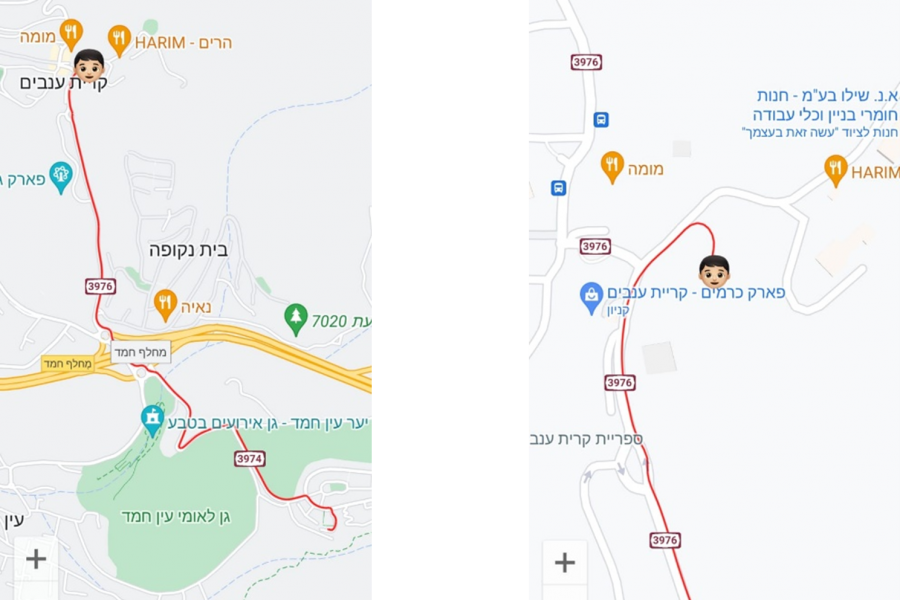
- Provide a visual map-based route history for easier search and recovery efforts.
Key Features
- Real-Time Location Tracking: Displays the child’s current position on an interactive map using GPS data.
- Sensor Fusion: Combines data from various smartphone sensors to enhance tracking precision and filter out noise.
- Custom User Interface: Includes a child icon for location visualization and map zoom controls for better clarity.
- Noise Filtering: Implements algorithms to eliminate unrealistic GPS jumps, ensuring a smooth and accurate route display.
Challenges Addressed
- GPS Noise: Mitigated inaccuracies caused by urban environments or limited signal reception.
- Sensor and Kalman Filter Integration: Optimized the use of accelerometer, gyroscope, and barometer data for seamless tracking.
- User Experience: Designed an intuitive interface to balance functionality and usability.
Testing and Results
The application was tested in two phases:
- Simulator Testing: Used predefined GPS coordinates to validate the app’s core functionalities.
- Real-World Testing: Conducted on an actual Android phone to ensure accurate real-time tracking and seamless integration of sensor data in dynamic environments.
The results demonstrated high reliability, with a minimal error margin in tracking accuracy. The system proved effective in both static and crowded settings, offering a robust solution for child monitoring.
Conclusion
The developed application provides an effective and scalable solution for child safety, leveraging widely available smartphone technology to address a critical need. With its robust features and real-world applicability, this project has the potential to make a significant impact on parental peace of mind in crowded public spaces.